Septic Tank Pumping and Sewer Help Near Denver
Slow drains, sour smells, or wet ground in the yard mean it is time to act. Cardbank Septic connects homeowners in the Denver area with independent local septic and sewer providers. Request a callback to check availability.
- Clear do and do not steps first
- Pumping, repair, and sewer line help
- Independent providers near Denver
- No obligation estimate requests
Request a callback
Septic and sewer questions, answered
- How often should a septic tank be pumped?
- Many household tanks need septic tank pumping every three to five years, but it depends on tank size, household size, and water use. A provider can measure sludge and scum levels and suggest a schedule. Ask for the advice in writing.
- What are the signs my septic system is failing?
- Watch for slow drains, gurgling pipes, sewage smells, soggy or bright green patches over the drainfield, and backups in a basement drain. Reduce water use, keep people and pets off wet ground, and contact a local provider soon.
- Can I use chemicals to clear a septic backup?
- No. Drain cleaners and additives can harm the helpful bacteria in the tank and may not clear the real blockage. Limit water use and have a provider inspect the system before trying anything strong.
- Does homeowners insurance cover a sewer backup?
- It depends on your policy. Some policies may cover sudden damage, but many exclude backups unless you added special coverage. Check your policy and ask your insurer. Providers can often help document damage for a claim.
- How much does septic pumping or sewer repair cost?
- Typical U.S. ranges vary by job. Pumping often runs a few hundred dollars, drainfield repair can reach several thousand, and sewer line repair can range from under a thousand to well over ten thousand depending on depth and access. Prices differ by region and provider, so request a written quote before work starts and ask exactly what it includes.
Know what happens next, hour by hour
A septic or sewer problem grows in steps. Knowing the steps helps you act at the right moment.
In the first hours, you may notice slow drains, a gurgle in the pipes, or a sour smell near the yard. Within a day or two, wastewater can rise into the bottom-floor drain in the house. That is often a basement floor drain or a tub. After a week or more, soggy ground, bright green grass over the tank, and soaked flooring can show up.
Do cut back on water the moment you see a warning sign. Do keep children and pets away from wet spots. Do not pour in drain chemicals or additives hoping for a fix. Do not open the tank lid yourself, because the gases inside can make you sick fast.
Cardbank Septic is a referral service. It connects you with independent providers in our network who handle septic tank pumping, system repair, and sewer line work near Denver. Request a callback to check provider availability.
Would you rather write things down first? Request an estimate and a local provider can follow up with questions and options.
The Referral
What Cardbank Septic actually is
Cardbank Septic is a referral service. A homeowner describes what is happening, and the request is routed toward independent septic and sewer providers in our network near Denver. Cardbank Septic does not do the work itself. The provider you speak with does the pumping, the repair, and the digging.
How it works, step by step
- You describe the problem by phone or through the request form.
- A provider in the network is matched to your address and need.
- The provider reviews the situation and explains your options.
- You read the written quote and decide what to do.
There is no obligation to hire anyone you talk to. Prices, schedules, and terms are set by each provider.
Work you can ask about
Providers in the network cover three main kinds of work. Septic tank pumping removes built-up solids and is also the usual first step in emergency septic cleaning when a tank is full and backing up. Septic system repair covers parts such as baffles, lids, and pumps, along with drainfield repair when the soil no longer absorbs water well. Sewer line repair deals with cracked, shifted, or root-blocked pipes between the house and the tank or the street.
Some providers also offer water well service. That matters if your well sits near a septic field.
What helps you most
Be specific about what you have seen and when it began. A clear timeline helps a provider judge how serious the job may be, and it keeps the first conversation short and useful.
Serving Denver and the Denver area
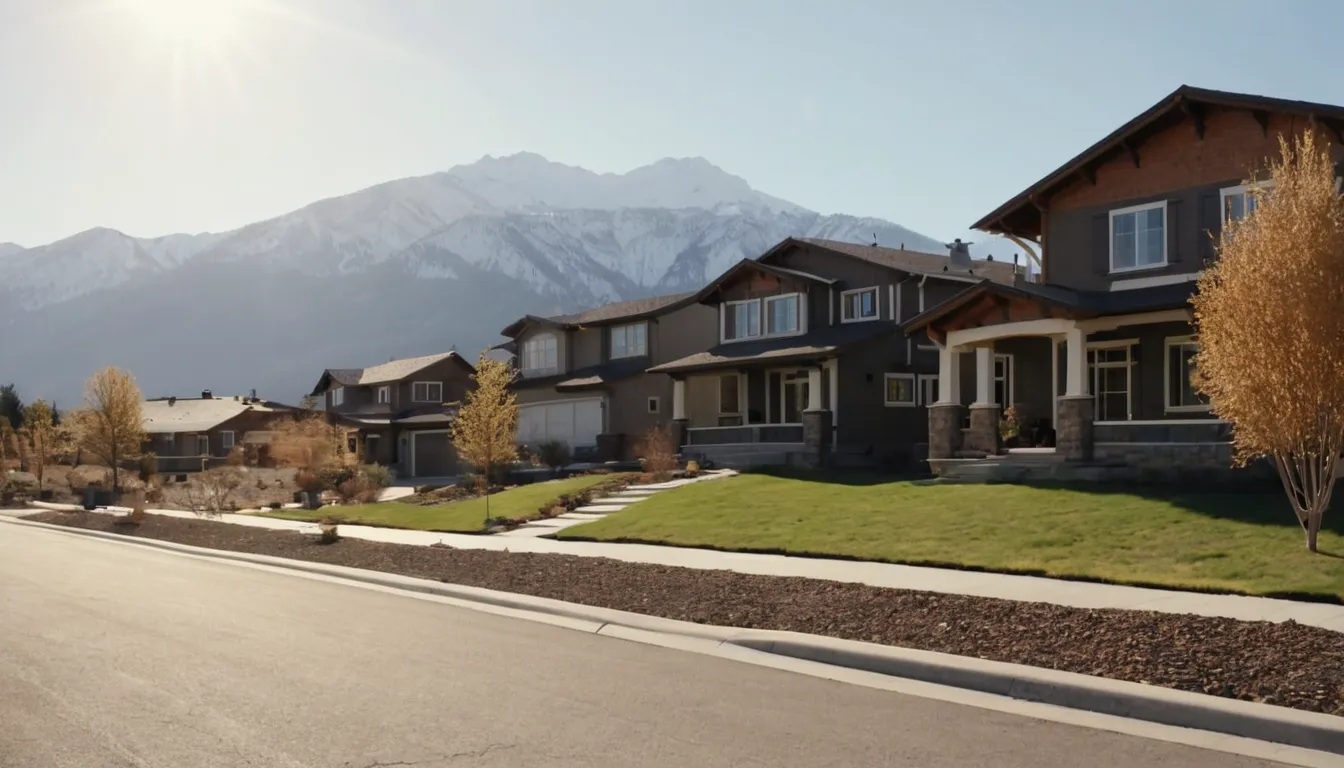
Cardbank Septic helps homeowners in Denver and across the Denver area. Many homes here are newer frame builds with basements, and the drain at the bottom of a basement is usually where a backup shows first. Wood and stucco exteriors can hide slow leaks, so a damp wall or musty smell deserves a closer look.
The weather adds pressure. Heavy snow loads and deep cold can stress buried pipes and pack the soil over a tank. Fast spring melt can saturate a drainfield just when it needs to absorb the most water. Hail and intense sun can damage lids, vents, and exposed fittings, and dry air can crack the surface soil around them. After a rough season, a check can catch small problems while they are still small.
Rural lots may depend on both a septic system and a private well. Some providers in our network also offer water well service, so mention your well when you ask for help.
Request a callback to check which providers can reach your address.
If you would rather write out the details first, request an estimate and describe what you have noticed so far.
Hour by hour: what to do and avoid
How a septic problem unfolds
Septic trouble follows a pattern. Knowing it helps you judge how urgent your situation is.
The first few hours
Drains run slower. Toilets gurgle. You may smell something sour near the tank or a basement drain. Do cut back on laundry, long showers, and the dishwasher. Do not keep running water to see if it clears.
The first day or two
Wastewater has nowhere to go, so it rises to the bottom-most point in the house. Do keep children and pets away from standing water. Do not clean it by hand without gloves and boots. If the tank is full and backing up, tell the provider you need emergency septic cleaning.
Days three to seven
Floors, drywall, and carpet start to hold moisture and odor. Mold can begin to grow on damp material. Outside, the drainfield may turn soggy or smell sour.
After a week or more
Solids can clog the soil of the drainfield. Then pumping alone may not solve it, and drainfield repair becomes a bigger job. Typical U.S. costs can climb from a few hundred dollars to several thousand, depending on the job.
Your options before work starts
A provider may suggest pumping, a part repair, drainfield repair, or sewer line work. Ask for each option in plain words, with a written quote.
What to do right now
- Reduce water use.
- Stay off wet ground and away from the tank lid.
- Take photos and note when symptoms began.
- Check your policy. Some policies may cover sudden damage.
What to avoid
- Drain chemicals and additives.
- Driving or parking on the drainfield.
- Paying a large deposit before reading a written quote.
Get in touch
Have a question, or want to tell a provider what you are seeing? Reach out to Cardbank Septic. Request a callback to check provider availability near Denver, or send a message to contact@cardbank.rest.
Prefer to start with details? Request an estimate. Include when the problem began, what you have noticed, and whether you have a well.
Need help in Denver?
Request a callback to check provider availability, or send a request and a local provider can follow up with next steps.
No obligationWhy Choose Cardbank Septic?
Pause the Water
Cut back on laundry, dishwasher use, and long showers while you wait, so less wastewater reaches the tank.
Call or Request
Request a callback to check provider availability, or send the estimate request form.
Compare Your Options
Review the provider's quote, what is included, and what could change if they find more.
Provider Pumps the Tank
The provider empties and inspects the tank, then shares notes and a schedule for next time.
Three Services
Three kinds of work come up most often. Pumping keeps a full tank from backing up, repair restores a failing system, and sewer line work addresses the pipes between your home and the main line. Pick the card that fits.
Septic Tank Pumping Services
A full septic tank gets worse with time, so knowing the signs and your next steps helps.
See the details about Septic Tank Pumping ServicesSeptic System Repair
A failing septic system gets harder to fix as days pass, so learn your options before anyone digs.
See the details about Septic System RepairSewer Line Repair
A damaged sewer line gets worse with time, so knowing your options early helps you avoid bigger repairs.
See the details about Sewer Line Repair